The single fastest way to make a living room feel finished is to put down a large, well-proportioned rug. And I mean large — the kind that sits under your entire seating arrangement, not the postage-stamp version that floats awkwardly in front of the couch.
The problem: most people assume "large rug" means "$1,500 minimum." That was true ten years ago. It's not true now. Direct-to-consumer rug sellers have quietly made 8x10 and 9x12 rugs available for under $500 — often under $300 — that genuinely look like the pieces you'd see in a design magazine.
Here's what actually matters when you're shopping this category, plus 10 specific picks that I've curated for people who want the look without the wince.
Why size matters more than pattern
Before you fall in love with any specific rug, let me save you a $400 mistake: the size of your rug matters more than the pattern or color.
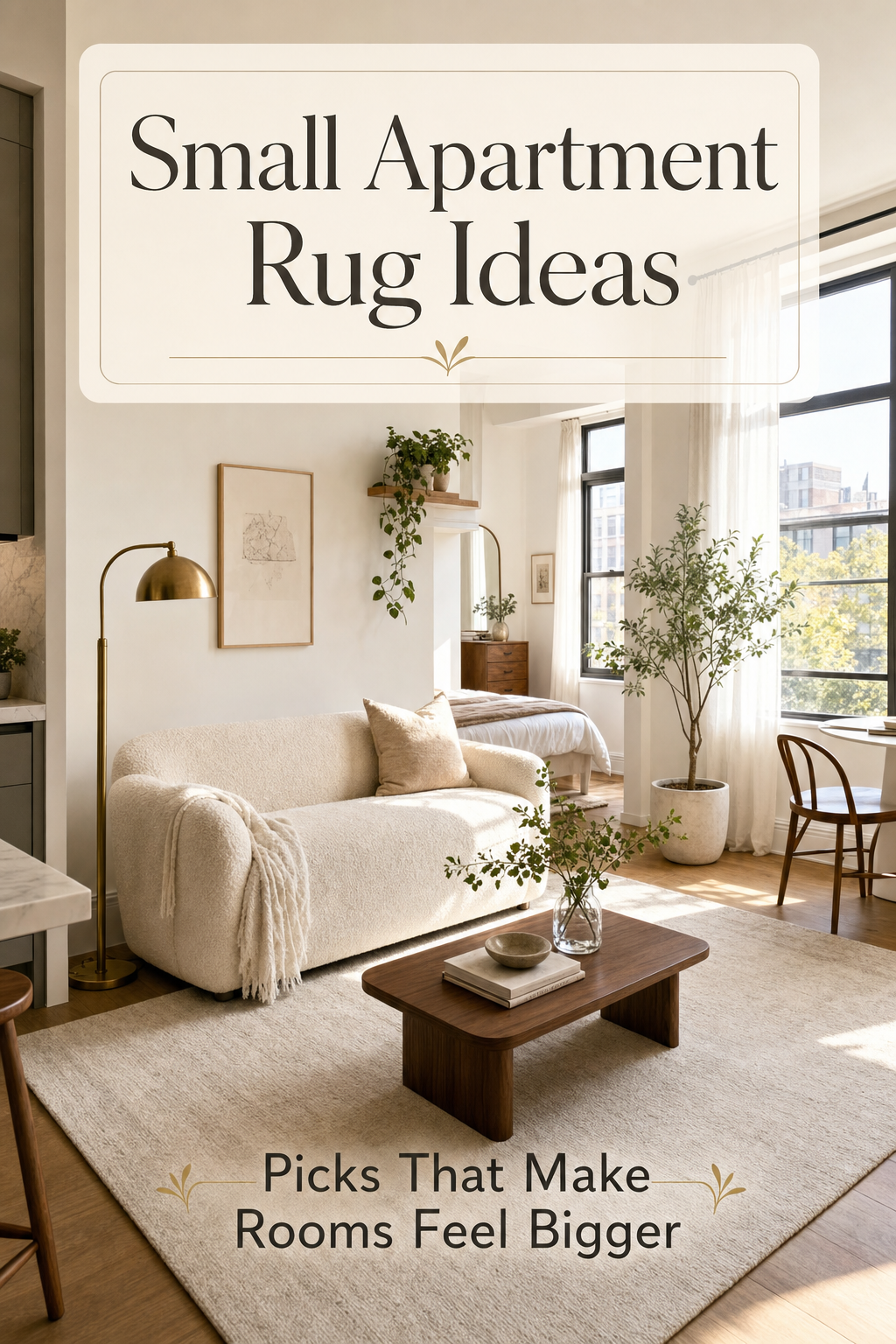
A gorgeous $800 rug that's 5×7 will make your living room look smaller and disconnected. A perfectly acceptable $200 rug that's 9×12 will make the same room look designed. Rooms with "floating" rugs — rugs where furniture doesn't sit on them — read as unfinished, no matter how expensive the rug is.
The rule of thumb most designers use:
- All front furniture legs on the rug = minimum acceptable
- All four legs of every piece on the rug = ideal
For most standard living rooms, that means:
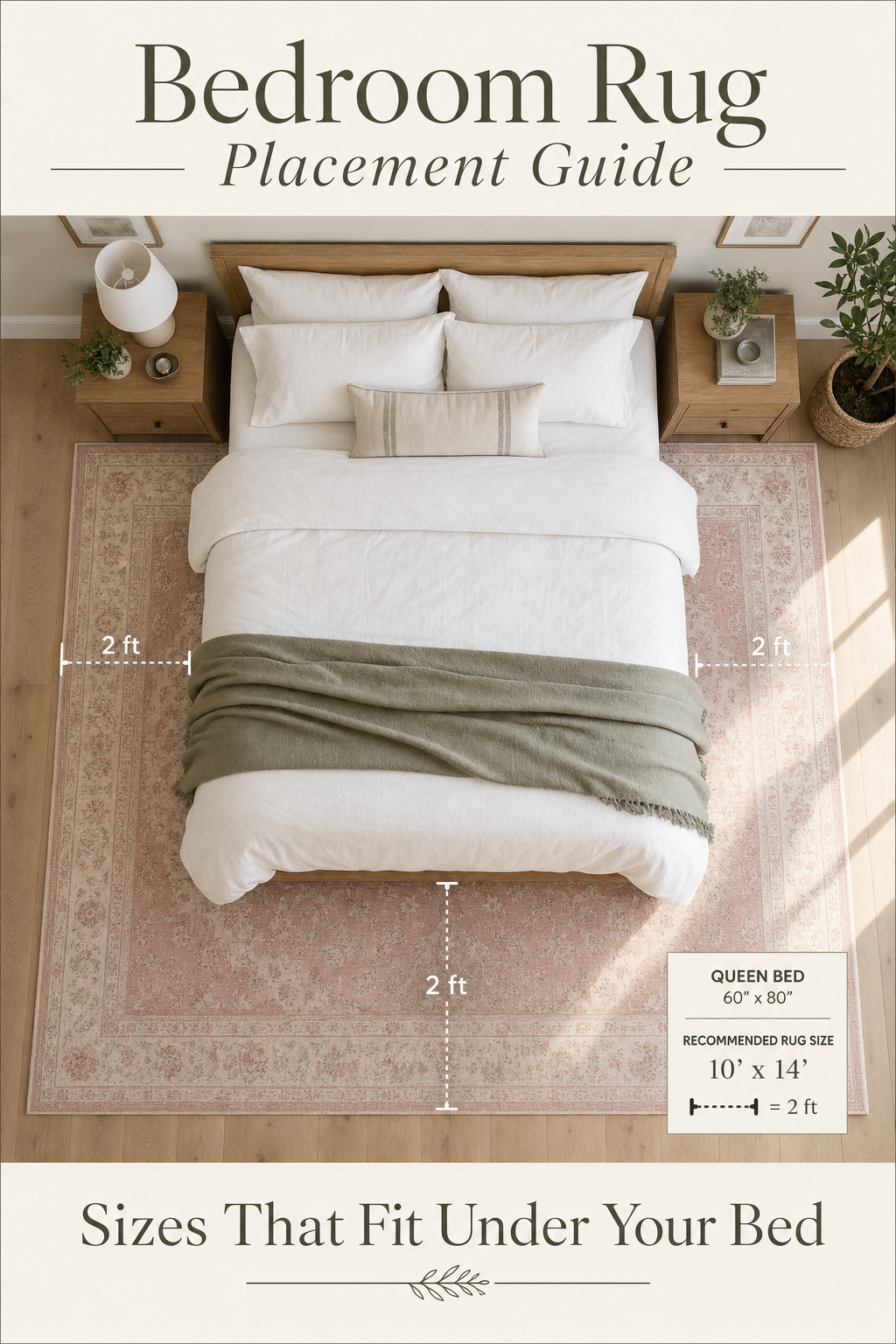
- 8×10 rug for a room around 12×14 feet
- 9×12 rug for a room around 14×16 feet
- 10×14 rug for anything bigger
If your budget forces a choice between "bigger and simpler" or "smaller and fancier" — pick bigger, always.
What "hand-knotted look" actually means at this price
You cannot buy an authentic hand-knotted Persian rug in 8×10 for under $500. That's just physics — real hand-knotting takes months of labor.
But machine-woven rugs that mimic the hand-knotted aesthetic have become genuinely convincing in the last few years. The good ones use:
- Fine denier polypropylene or viscose blends that catch light like wool
- Distressed vintage patterns that hide wear and stains
- Low profile pile (0.2"–0.4") that reads as sophisticated rather than shag
The tell-tale signs of a bad budget rug — plasticky sheen, hard synthetic backing, aggressive geometric prints — are things you can easily avoid by sticking to the shopping criteria below.
What to look for when shopping
- Faded/vintage prints hide life. Solid colors and high-contrast modern patterns show every dropped tortilla chip. Vintage-style prints in muted terracotta, sage, cream, and navy hide the reality of daily use.
- Low pile is your friend. For living rooms with real traffic, look for 0.25" to 0.5" pile height. Vacuum-friendly, spill-friendly, kid-friendly.
- Check the return window. The good direct-to-consumer sellers now offer 30–180 day returns. If a rug shop doesn't take returns on a 9×12, that's a signal.
- Read reviews for shedding. New rugs shed for the first 2–4 weeks. Aggressive shedding for months is a quality issue.
- Rug pads matter more than you think. Budget $30–$60 for a good rug pad. It doubles the life of your rug and dramatically improves how it feels underfoot.
My 10 picks under $500
Affiliate note: some of the links below are affiliate links, meaning I may earn a small commission at no additional cost to you. I only recommend products I've personally researched or would put in my own home.
1. The best all-around: Vintage Persian 8×10
If I could only recommend one rug in this whole post, it would be a distressed Persian in the cream/rust/olive family. Pattern hides stains, colors work with 90% of sofa colors, size fits the majority of living rooms.
Where to shop: RUG SOURCE — vintage Persian collection under $500
2. The neutral safe bet: Ivory or greige 9×12
If you have colorful art, kids' toys, or a bold sofa, a neutral rug is the smart play. Look for texture (loop pile, cut pile mix) so the neutral doesn't read as bland.
Where to shop: RUG SOURCE — neutral collection 9×12
3–10. [Populate with 8 more specific product recommendations after joining Rug Source affiliate program]
For each pick, include:
- One photo (750×750)
- 2-line description of who it's for
- Size options and price range
- Affiliate link to product
Common mistakes to avoid
Buying a light rug for a high-traffic room. Cream and ivory rugs are stunning in a formal sitting room. In a family room with a golden retriever, they become a full-time job. Save the light colors for spaces without foot traffic.
Skipping the rug pad. A $30 rug pad is what separates "this rug feels amazing" from "this rug slides around and feels like plastic."
Buying too small "to see if you like it." You already know you like the pattern. Buy the right size the first time. Every designer I've ever talked to says the #1 rug regret is going too small.
Assuming synthetic = bad. Modern polyester and polypropylene rugs are what makes the $400 price point possible in this size. They're also more stain-resistant and easier to clean than wool. Save wool for bedrooms.